Identifying One's Audience
- aves a
- Oct 27, 2025
- 4 min read

Keywords: audience identification, public relations, purpose-driven, corporate responsibility, authenticity

When identifying an audience, it is important to understand who you are trying to reach and why you are trying to reach them. Pinzur Communications says, ‘Understanding your target audience in public relations (pr) is fundamental to crafting messages that resonate with them and drive engagement (Thinking outside the PR box, 2024). Crafting messages that maximize engagement and resonance leads to success within pr and helps achieve objectives and goals.
Expectations of Corporate Responsibility
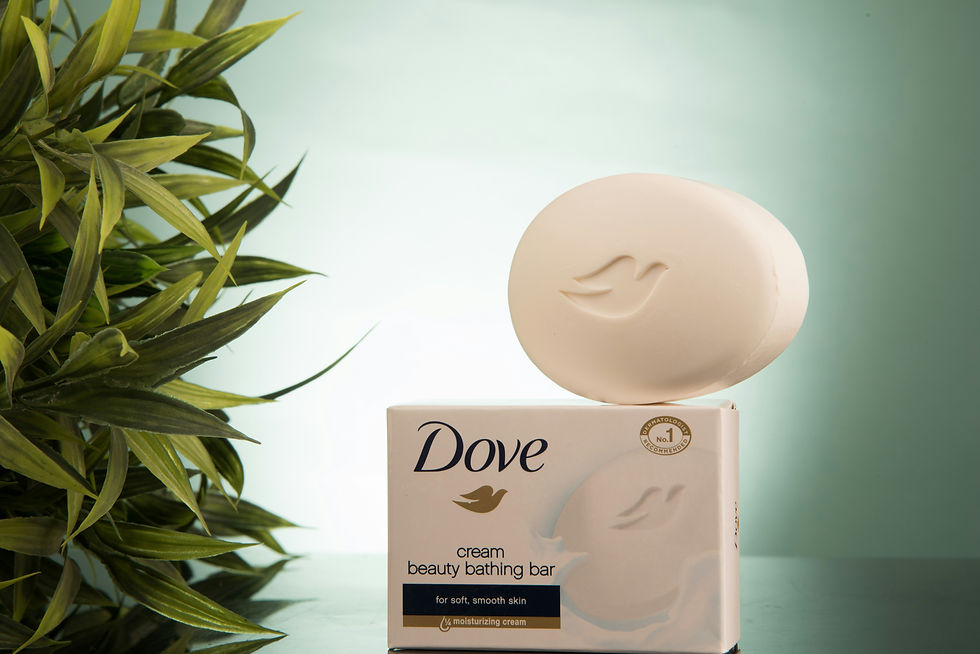
A notable example of a company failing to uphold corporate responsibility is Dove, as seen in 2017. Dove released an ad which there was racist themes and messaging. The article identifies two key factors in corporate communication: “the importance for companies to prove promises with action and second, is an emphasis on listening” (Dasher & Zed, p. 3, 2019).
Dove’s objectives have been centered around empowerment, confidence, self-esteem and redefining beauty standards. However, this campaign did the opposite of that. This led to backlash on social and traditional media, as well as an apology from Dove, reinstating their mission and intention.
Activist companies like Dove often are at higher risk of destruction or crises. Dove needs to remain authentic and open about the incident and continue to rebuild trust with the public. Considering the audience and their perception could have saved Dove from encountering this crisis.

In 2018, there was an incident at Starbucks, regarding two men who were arrested for ‘trespassing and disturbance”. One of the men, Rashon Nelson, had asked to use the restroom but was told it was for paying customers only. He did not need to purchase anything and told the employees he was just waiting for a meeting. The police were then called on them and both were charged with trespassing and causing a disturbance.
The men complied with the officers as the situation was filmed and posted on social media. This attracted attention nationwide and was identified as racial discrimination. The article says, “Within hours, a 45-second video showing police handcuffing and arresting Nelson and Robinson while Yaffe protested their treatment was on Twitter,” and had gained millions of views.
There were several statements released by officials and CEOs that ultimately led to new policy guidelines and racial bias training for Starbucks employees.
This case had many issues regarding the Starbucks employees and Philadelphia officials. There was a lack of corporate responsibility from both parties, which extended the crisis. Hopeful, with new policies and training in place, both Starbucks and Philly officials will improve their corporate responsibility for the sake of both organizations.
Crisis Management Communication
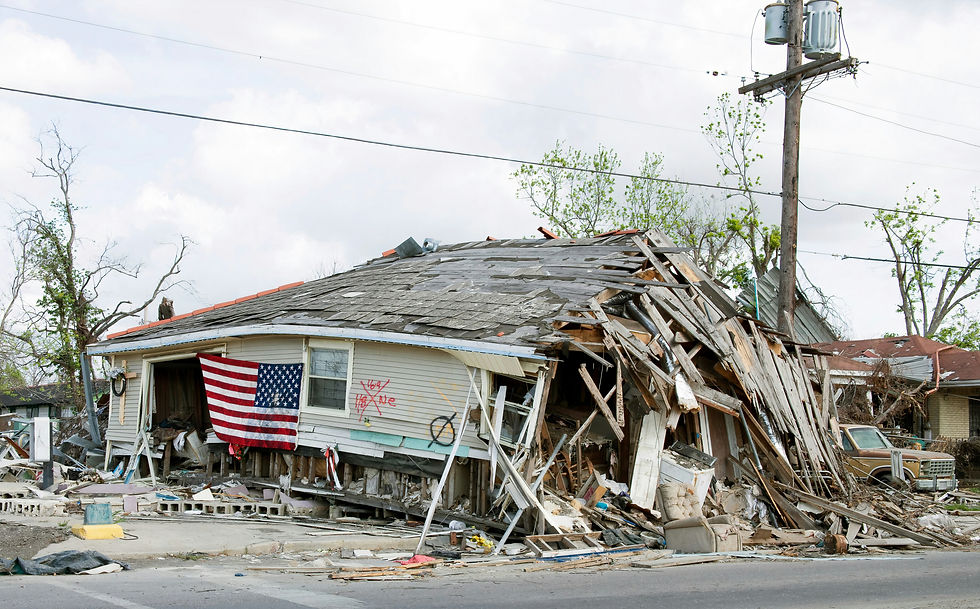
A well-known case of poor crisis communication was Hurricane Katrina. This problem arose from ‘half operations and half communication’, including:
poor planning
poor anticipation
poor execution
lack of anything to communicate.
When natural disasters are anticipated, public relations needs to communicate with the public and those in danger.
The article strongly discusses the lack of an effective crisis communication plan from the government and decision makers. The article also says, “There was no One Clear Voice. No one was able to set a positive agenda. No reasonable expectations were established. No one seemed to have ‘expected the unexpected’ and made any preparations” (Hurricane Katrina, n.d.). The lack of overall public relations led to a tragedy from a tragedy.
Planning and preparation would have helped New Orleans significantly, as many lives were lost, many were stranded and many were relocated with only the clothing on their backs.
Authenticity

As discussed throughout this blog, authenticity is important in order to connect with your audience. Social listening/monitoring, rapid ideation, creation, distribution and analysis are characteristics of organic authenticity.
One article says, “Jumping on a trending topic in the social media world with a great promotional idea demands speed since hot topics can change with the wind. But acting fast can lead to problems if the idea is not fully considered” (Finding authentic moments, n.d.). Authenticity and corporate communication go hand in hand when dealing with an organization and what is published, guiding thoughtful ideas.
Authenticity begins with the leaders of an organization and translates throughout the stakeholders. Authenticity humanizes a brand, which helps create trust and build loyalty (Wilkens, 2023).
Organizations that take the time to prioritize the characteristics listed above have a better chance of maintaining trust and loyalty with consumers. “A changed and evolving information landscape means strategic organizations that value their reputations are investing in social media teams not only to monitor and respond to customer questions or complaints, but also to find opportunities to engage consumers in meaningful ways” (Finding authentic moments, n.d.). Social media can help an organization, but also diminish its reputation if not used carefully.
Conclusion
Throughout this blog, we discussed real-world examples of corporate responsibility, crisis management communication and authenticity within public relations.
Each of these is important for public relations and success. Learning from real-world scenarios allows us to see the benefits and consequences of efficient and inefficient public relations management.
References
Bandre, A. (2019). White dove soup beside plant photo – free image on unsplash. Unsplash. https://unsplash.com/photos/6hLFAQ_PPTo
Dasher, S., & Zed, O. (2019). Dove: A purpose-driven brand in a crisis of sincerity. Institute for PR. https://instituteforpr.org/wp-content/uploads/https___page.org_wp-content_uploads_2023_11_DOVE_-_A_PURPOSE.case_.pdf
Finding authentic moments; avoiding #epicfails. (n.d.). https://canvas.ou.edu/courses/417712/files/126553288?module_item_id=7954146
Hurricane katrina: a disaster from beginning to end. (n.d.). https://canvas.ou.edu/courses/417712/files/126553287?module_item_id=7954144
Library of Congress. (2022). Barber shop located in Ninth Ward, New Orleans, Louisiana, damaged by Hurricane Katrina in 2005. Photo – Free New Orleans image on unsplash. Unsplash. https://unsplash.com/photos/barber-shop-located-in-ninth-ward-new-orleans-louisiana-damaged-by-hurricane-katrina-in-2005-ha3hueRV3xM
Nishimura, H. (2021). A sign that is on the side of a building. Unsplash. https://unsplash.com/photos/a-sign-that-is-on-the-side-of-a-building-SiSLeFTr5Cg
Ragusa, D. (2015). Grayscale photo of people sitting on chair photo – free people image on unsplash. Unsplash. https://unsplash.com/photos/grayscale-photo-of-people-sitting-on-chair-gcDwzUGuUoI
Starbucks: two men arrested for doing…not much. (n.d.). https://canvas.ou.edu/courses/417712/files/126553341?module_item_id=7954145
Studio, V. (2018, April 25). Green wooden door is close of concrete building during daytime. Unsplash. https://unsplash.com/photos/green-wooden-door-is-close-of-concrete-building-during-daytime-MQdkSBpWPho
Thinking outside the PR box: When to identify your audience. Pinzur Communications. (2024, July 17). https://pinzurpr.com/thinking-outside-the-pr-box-when-to-identify-your-audience/
Wilkens, E. (2023, December 13). Humanizing your brand: The important role of authenticity in PR - agility PR solutions. Agility PR Solutions - Media Relations... Streamlined. https://www.agilitypr.com/pr-news/public-relations/humanizing-your-brand-the-important-role-of-authenticity-in-pr/


Comments